

INDEPENDENT ARCADE JOURNAL
Behind the pixels,
discover the design.
I look beyond the appearance of arcade games to how they create decisions. Source-led analysis, cultural essays and comparable catalog records reveal the design language inside a cabinet.
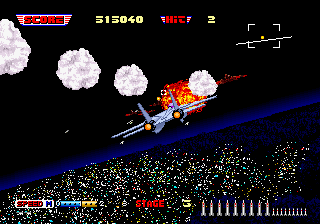 DOSSIER 01 · SEGA · 1987
Do speed and control feel the same?
Throttle, target tracking and divided attention in After Burner II: two illustrated decision examples grounded in SEGA’s records.
READ THE DOSSIER →SOURCE-LED ANALYSIS · 05.10.2026
GAME DESIGN DOSSIERS
Different ways to understand a game
Every game has a story, and sometimes one design choice changes everything. Join me for a look at the history of games and the details that make them interesting. Each visit brings three picks from 14 source-backed articles. Keep exploring in the full article library.
SOURCE-LED ANALYSISAfter Burner II
1987 · SegaThrottle, target tracking and divided attention in After Burner II: two illustrated decision examples grounded in SEGA’s records.
READ THE ARTICLE →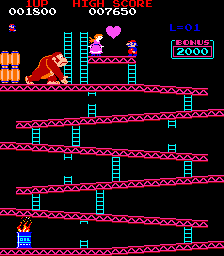 SOURCE-LED ANALYSIS
Donkey Kong
1981 · Nintendo of AmericaNearby ladders, usable exits and scoring goals in Donkey Kong: two route diagrams, Nintendo’s description and an original cabinet manual.
READ THE ARTICLE →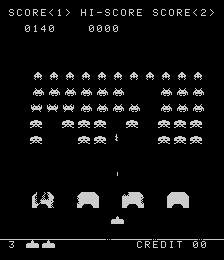 SOURCE-LED ANALYSIS
Space Invaders / Space Invaders M
1978 · Taito / MidwayEroding bunkers and a faster formation in Space Invaders: two rules from TAITO’s original manual and two illustrated design examples.
READ THE ARTICLE →CULTURE & INTERFACE
Cabinets, culture and interfaces
 01 · ESSAY
How Cinarverse Was Designed: Rebuilding an Arcade Cabinet in the Browser
A first-hand project journal spanning visual identity, game-loading states, mobile controls, and editorial architecture.
READ THE ESSAY →02 · ESSAYThe Six-Button Fighting Layout: Punches, Kicks, and Decision Hierarchy
How the Street Fighter lineage uses six buttons not as command volume but as a readable system of strength and timing.
READ THE ESSAY →03 · ESSAYDesigning an Arcade Controller for the Mobile Browser
Practical principles for a control surface that survives Safari zoom, orientation, touch latency, and safe areas.
READ THE ESSAY →CATALOG LAB
Compare facts; distinguish versions.
Take a little discovery tour through 550 game records! Search by game name, company or year, then narrow the list with genre and maker filters. Compare two or three records side by side to tell versions apart, check the details and find a new favorite in the archive.
Use the catalog →THE VIRTUAL CABINET
The arcade cabinet remains.
Coins, game selection and mobile controls are preserved in a separate cabinet section. Reading and catalog browsing require no coin. Play availability depends on the server archive and applicable rights.
Enter the cabinet →How should information be read here?
Year and set data identify a record; design interpretation is not its only possible explanation. One version’s manual does not verify all details of another. Source scope is stated, and unperformed play sessions or device measurements are not presented as experience.
Read the publication method →All console libraries
Explore game history, design decisions, and availability across Arcade, Neo Geo, NES, SNES and Game Boy Color.